
Raising a Healthy, Happy Doodle
Bringing home a new Labradoodle or Goldendoodle puppy is an exciting time, but it can come with a lot of questions — especially for first-time owners. This guide walks you through everything you need to know, organized to follow your puppy's journey from the first days at home through adulthood and beyond.
The First Week
The transition from breeder to home is a major milestone. Focus on safety, routine, and bonding. Keep the environment calm and let your puppy explore at their own pace.
Establish Routine
Feeding, potty breaks, and bedtime should happen at the same time every day to reduce anxiety. Puppies thrive on predictability and consistency from their very first days at home.
First Vet Visit
Schedule a check-up within 72 hours of arrival to establish a health baseline and vaccination plan with a local veterinarian you trust for the years ahead.
Feeding Your Goldendoodle or Labradoodle
Proper nutrition is one of the foundational elements of raising a healthy Goldendoodle or Labradoodle, and feeding needs change significantly as your puppy grows from a young puppy into an adult dog. Understanding these changes, and establishing good feeding habits early, can set your puppy up for a lifetime of healthy eating.
Puppy Feeding Schedule
Young puppies typically need to eat several small meals throughout the day rather than one or two large meals. Most puppies do well with three to four meals per day during the first few months, gradually transitioning to two meals per day as they approach six months of age.
When your puppy first comes home, we recommend continuing with the same food and feeding schedule they have been on with us, at least initially. Sudden changes in diet can cause digestive upset. If you wish to switch foods, do so gradually over seven to ten days.
Choosing the Right Puppy Food
When selecting a puppy food, look for a formula specifically designed for puppies, as these formulas are typically higher in calories and contain balanced levels of calcium and phosphorus to support healthy bone and joint development. For dogs expected to grow into medium or large adult sizes, a large breed puppy formula is often recommended.
Foods to Avoid
Certain foods are toxic to dogs and should never be given, including chocolate, grapes, raisins, onions, garlic, macadamia nuts, and anything containing xylitol or artificial sweeteners. Keep these foods well out of reach and ensure all household members are aware of these dangers.

Hydration
Fresh filtered water available at all times. Change daily.
Protein First
Named animal protein should be the first ingredient listed.

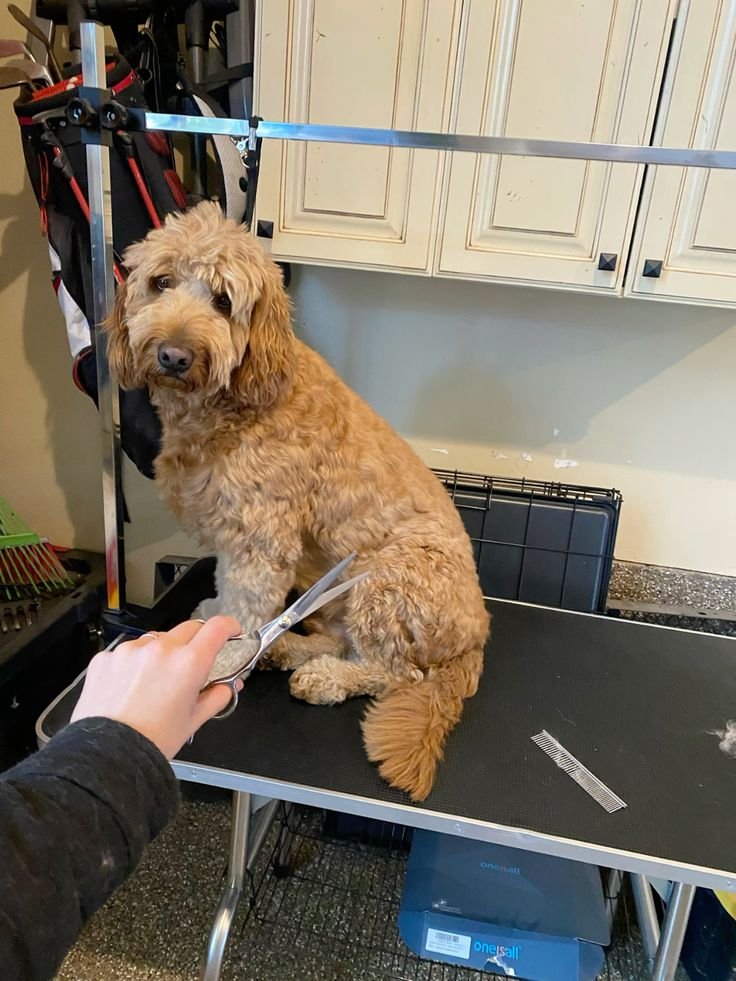
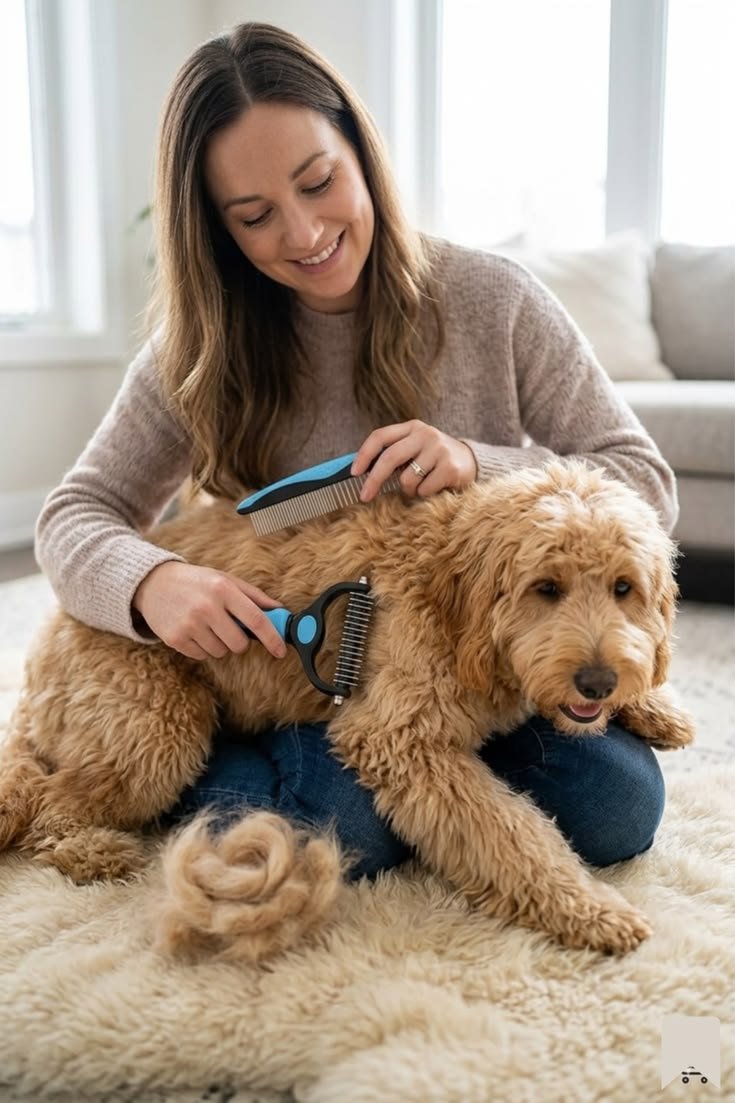
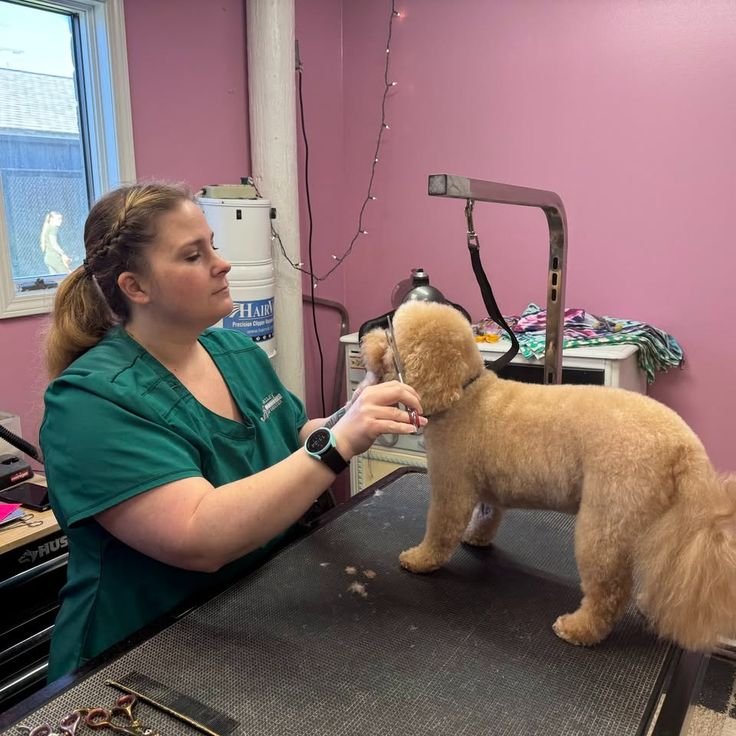
Grooming Your Goldendoodle or Labradoodle
Grooming needs for Goldendoodles and Labradoodles vary significantly depending on coat type, but nearly all individuals of these breeds benefit from a regular grooming routine — both for coat health and for overall comfort. Establishing grooming habits early in puppyhood makes a lasting difference in adult life.
Training Tips for Doodles
Both Goldendoodles and Labradoodles are generally highly trainable, but training is most effective when it begins early, uses positive reinforcement methods, and remains consistent across all members of the household. Short, frequent training sessions of five to ten minutes tend to work well with puppies who have shorter attention spans.
House Training
Establishing a consistent schedule — taking your puppy to the same designated potty area after meals, naps, and play sessions, and rewarding successful potty breaks immediately — can help speed up the learning process. Accidents are a normal part of house training, especially in the first weeks.
Crate Training
A crate can be a valuable tool for house training, providing your puppy with a safe space and helping manage your puppy when you cannot directly supervise them. Introduce the crate gradually and positively, using meals, treats, and comfortable bedding to create positive associations.
Socialization — Continuing the Work
The early weeks and months of a puppy's life represent a critical window for socialization. Continuing to expose your puppy to new people, animals, environments, and experiences in a positive, controlled way during this period can have a lasting impact on adult temperament. Looking for more help? Browse our puppy training and behavior articles.
Early Training Milestones



Exercise & Mental Stimulation
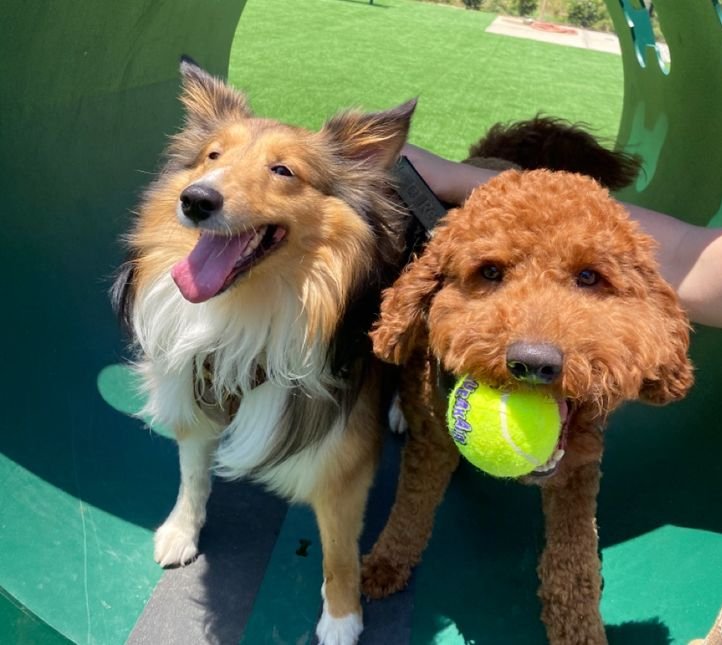
Both Goldendoodles and Labradoodles are intelligent, often energetic breeds that benefit from regular physical exercise and mental enrichment. Meeting these needs not only supports physical health but can also help prevent unwanted behaviors that sometimes arise from boredom or excess energy — such as excessive chewing, digging, or barking.
Exercise for Puppies
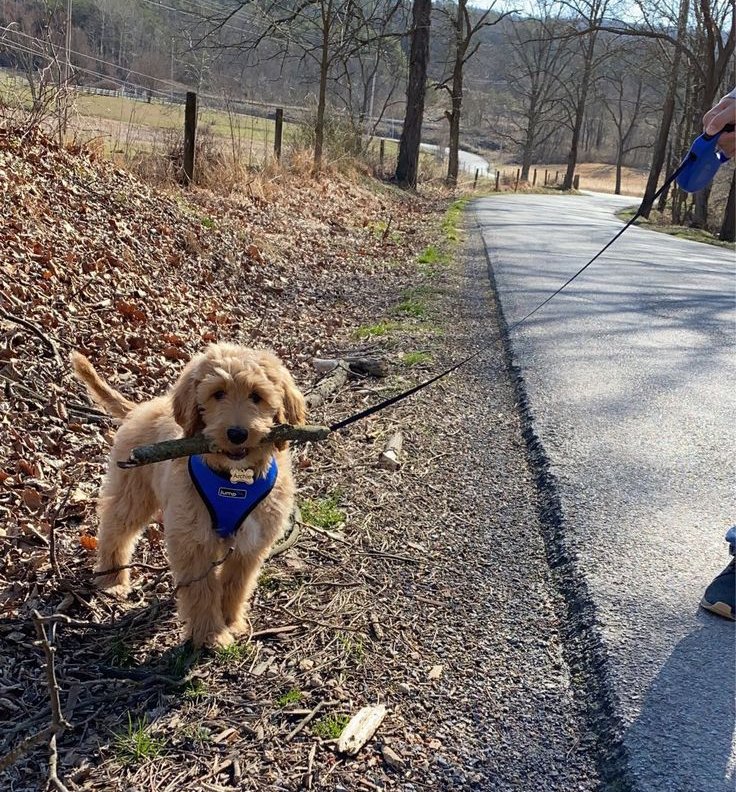
During puppyhood, exercise should be appropriate for your puppy's age and developmental stage. Short, frequent periods of play and exploration are generally more appropriate for young puppies than long walks or high-impact activities. A common general guideline is to avoid forced, repetitive exercise like long jogs until a dog has reached closer to physical maturity.
Exercise for Adult Dogs
As your Goldendoodle or Labradoodle reaches adulthood, most individuals do well with at least 30 minutes to an hour of meaningful exercise per day. This might include walks, runs, swimming — which many doodles love — fetch, or structured play with other dogs.
Mental Enrichment
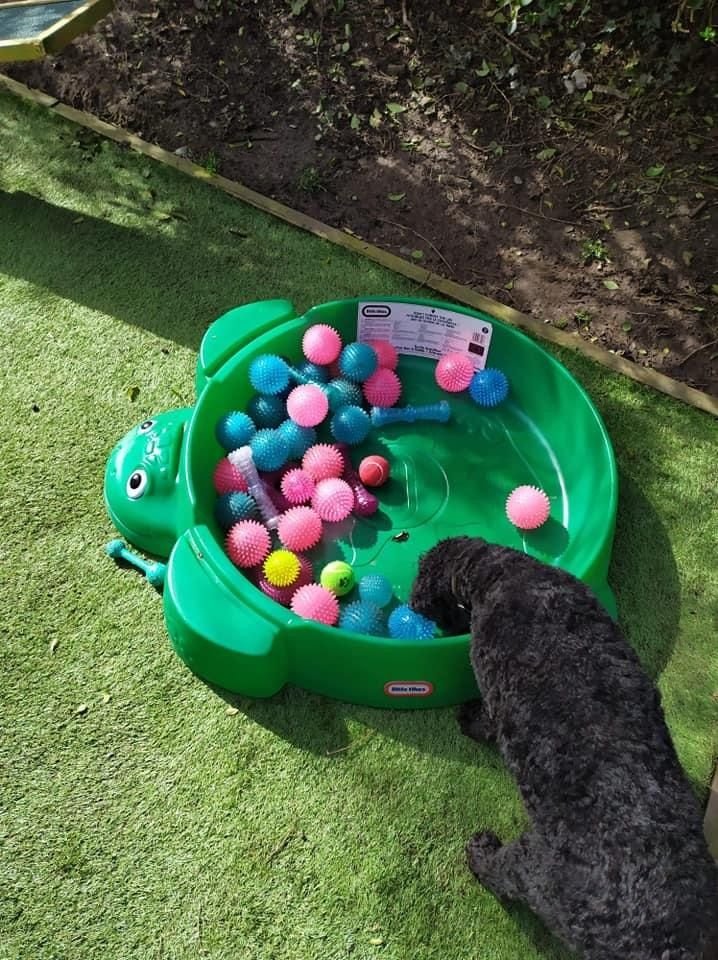
In addition to physical exercise, mental enrichment is important for keeping these intelligent breeds engaged. Puzzle feeders, training sessions, and scent games all tap into your dog's natural instincts and can be particularly satisfying in a positive, tiring way.
Health Care Through the Years

The First Veterinary Visit
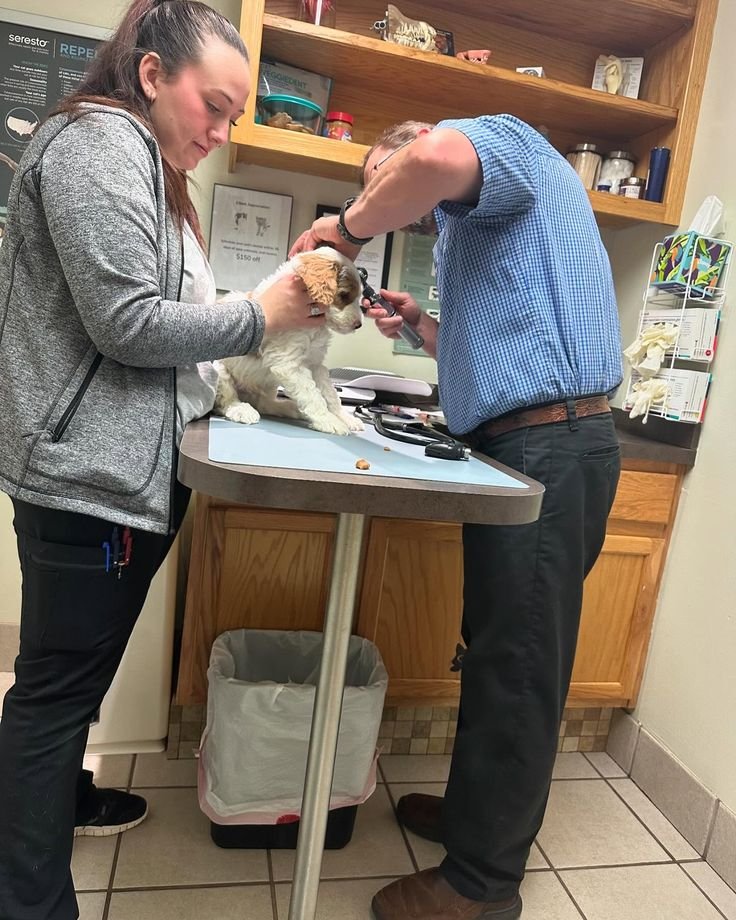
We recommend scheduling a veterinary visit within the first few days of bringing home your new puppy. This visit allows your veterinarian to review health and vaccination records, perform a general examination, and establish an ongoing care schedule. Every puppy from Furry Friends HQ starts with the health-tested parent dogs you can read about on our standards page. This early visit also establishes a relationship with a local veterinary team who will be a valuable resource throughout your dog's life.
Vaccinations and Preventive Care
Puppies typically receive a series of vaccinations over their first several months of life — see our vaccination and puppy health FAQ for what each puppy comes with. Preventive care also typically includes parasite prevention — including protection against fleas, ticks, and heartworm — which your veterinarian can recommend based on your location and lifestyle.
Spaying and Neutering
Many veterinarians recommend spaying or neutering at some point during a dog's first year or two, though optimal timing can vary based on size, breed, and individual health factors. This is a conversation worth having with your veterinarian, who can provide guidance based on the latest research and your individual dog's circumstances.
Dental Care
Regular tooth brushing using dog-specific toothpaste, along with dental chews or toys designed to support oral health, can help reduce the buildup of plaque and tartar over time. Your veterinarian can also assess dental health during regular wellness visits.
Senior Care
As Goldendoodles and Labradoodles enter their senior years — typically around seven to ten years depending on size — more frequent veterinary check-ups can help catch age-related health changes early. Adjustments to diet, exercise, and home environment can all help support a comfortable, healthy senior life.