A Day in the Life of a Happy Dog: The Ultimate Daily Care Guide for Every Pet Owner
Have you ever looked at your sleeping canine companion and wondered what actually goes through their mind during twenty-four hours? To a canine, life is not built around endless scrolling, busy work schedules, or chaotic deadlines. Instead, your pup’s happiness is built upon predictable rhythms, engaging smells, rewarding physical effort, and loving companionship.
Designing an ideal daily dog routine transforms everyday pet care into a smooth, rewarding rhythm for both you and your canine family member. Intelligent, human-oriented breeds like the Labradoodle and Goldendoodle thrive when they know what to expect each day. Predictability lowers anxiety and prevents destructive behavioral problems.
Whether you just brought home a new puppy or want to refresh your adult dog's daily schedule, this pet owner guide covers every detail. We will walk through twenty-four hours of comprehensive dog wellness, physical exercise, canine enrichment, nutrition, grooming, and restorative sleep. Welcome to the ultimate blueprint for raising a healthy, confident, and joyful pet.
Table of Contents
- Hydration and Bathroom Break Schedules
- Mental Stimulation and Interactive Play
- Daily Dog Exercise Requirements
- Training and Positive Reinforcement in Everyday Life
- Rest, Naptime, and Nighttime Sleep
- Essential Grooming Routine
- Common Daily Mistakes Dog Owners Make
- Understanding Dog Body Language: Happy vs. Stressed
- Evening and Bedtime Routines
- Weekly and Monthly Dog Wellness Checklist
- Frequently Asked Questions (FAQs)
- Conclusion: Building a Lifetime of Joy
Why a Daily Routine Matters for Your Dog
Dogs love consistency. While humans often crave spontaneous adventures, domestic dogs flourish when their days follow a clear, reliable structure. Establishing a predictable puppy routine or adult dog daily schedule offers deep emotional and physical benefits.
+-------------------------------------------------------------------+
|                  BENEFITS OF A DAILY DOG ROUTINE                   |
+-------------------------------------------------------------------+
|  1. Anxiety Reduction      --> Decreases cortisol and stress.     |
|  2. Potty Training Speed  --> Establishes predictable digestion.  |
|  3. Behavior Prevention    --> Prevents boredom-based chewing.    |
|  4. Health Monitoring      --> Quick detection of subtle illness. |
+-------------------------------------------------------------------+
1. Reduces Stress and Separation Anxiety
Uncertainty creates anxiety in intelligent working breeds. When a dog does not know when they will eat, go outside, or spend time with you, they are more likely to experience chronic stress. A consistent schedule lowers cortisol levels and builds emotional confidence.
2. Accelerates Potty Training
Puppy health and successful housebreaking depend on digestive consistency. When you feed your dog at the exact same times every morning and evening, their digestive system adapts. This makes bathroom breaks predictable and eliminates accidents in the house.
3. Eliminates Destructive Behaviors
Boredom is the root cause of most destructive behaviors like heavy digging, excessive barking, and shoe chewing. A well-rounded dog daily routine provides built-in outlets for physical energy and mental drive. This leaves your dog relaxed and satisfied throughout the afternoon.
4. Early Detection of Illness
When your dog follows a steady daily routine, any departure from their normal behavior stands out immediately. A loss of appetite, reluctance to go on a morning walk, or sudden lethargy during playtime acts as an early warning sign of an underlying medical issue.
Expert Dog Tip: Designer breeds like Labradoodles and Goldendoodles combine the high intelligence of Poodles with the energetic, social nature of Retrievers. A steady daily schedule is vital to keep these smart, sensitive dogs balanced and happy.
Morning Routine: Starting the Day Right
The morning sets the tone for your dog's entire day. A calm, structured morning routine leads to an easygoing, well-mannered pet all afternoon.
Morning Schedule Overview
┌───────────┬────────────────────────────────────────┐
| Time      | Activity                               |
├───────────┼────────────────────────────────────────┤
| 6:30 AM   | Waking Up & Immediate Potty Break      |
| 6:45 AM   | Energetic Morning Walk (30-45 mins)    |
| 7:30 AM   | Breakfast & Hydration                  |
| 8:00 AM   | Post-Meal Rest & Digestion             |
└───────────┴────────────────────────────────────────┘
Morning Walks: More Than Just a Bathroom Break
The morning walk should serve a dual purpose: physical movement and sensory stimulation. Dogs experience the world primarily through scent. Allowing your dog to stop and sniff during a portion of their walk provides vital mental engagement known as "sniffari" time.
- Pacing: Start with 10 minutes of brisk, purposeful walking to burn off initial energy.
- Olfactory Exploration: Dedicate 10 to 15 minutes to letting your dog sniff trees, grass, and fire hydrants. Sniffing actually lowers a dog's heart rate and reduces stress levels.
- Socialization: Keep early morning interactions calm and controlled when passing other dogs or people.
For comprehensive details on training your dog to walk gently on a loose leash without pulling, review our detailed Dog Training Guide.
Breakfast and Balanced Nutrition
Once your morning walk is complete, let your pup cool down for 10 to 15 minutes before offering breakfast. Feeding a dog immediately after intense physical exercise can increase the risk of gastric dilation-volvulus (bloat), a dangerous stomach condition that primarily impacts deep-chested breeds.
+-----------------------------------------------------------------+
|                       NUTRITION CHECKLIST                       |
+-----------------------------------------------------------------+
| [ ] High-Quality Protein: First ingredient should be real meat. |
| [ ] Breed-Specific Formula: Tailored kibble size and calorie count. |
| [ ] Measured Portions: Use a accurate measuring cup, not a scoop.|
| [ ] Fresh Water: Paired with every single meal.                 |
+-----------------------------------------------------------------+
Proper dog nutrition forms the baseline of your pet's lifelong health. Always choose a food formula matched to your dog's specific life stage (puppy, adult, or senior) and size.
- Puppy Food: Rich in proteins and essential fatty acids like DHA to support rapid muscle growth and brain development.
- Adult Food: Balanced macronutrients designed to sustain active energy levels while maintaining a lean, healthy weight.
- Senior Food: Formulated with lower overall calories, increased fiber, and added glucosamine for joint health.
To learn more about tailored feeding strategies, explore our comprehensive Puppy Health & Wellness Guide.
Hydration Throughout the Day and Bathroom Break Schedules
Hydration is essential for nutrient transport, organ function, and body temperature regulation. Clean, fresh water must remain accessible to your dog all day long.
WATER REQUIREMENTS:
   Standard Rule: ~1 OUNCE OF WATER PER POUND OF BODY WEIGHT DAILY
   Example: A 45 lb Goldendoodle needs approximately 45 oz (5.6 cups) per day.
   Note: Increase amount during hot summer months or intense exercise.
Daily Bathroom Break Schedule
How often a dog needs to go outside depends directly on their age and bladder control. Follow this practical breakdown for your dog daily routine:
BATHROOM FREQUENCY BY LIFE STAGE:
---------------------------------------------------------------------
Puppies (2-4 months)  │ Every 1-2 hours while awake; immediately after meals
Puppies (4-8 months)  │ Every 3-4 hours
Adult Dogs (1-7 yrs)  │ 3-5 times daily (Morning, Noon, Dinner, Bedtime)
Senior Dogs (8+ yrs)  │ 4-6 times daily (Shorter intervals due to age)
Pet Safety Alert: Never restrict water access during normal waking hours to avoid potty accidents. Restricting water can lead to dehydration, urinary tract infections, and kidney issues. Instead, maintain a strict outdoor bathroom schedule.
Mental Stimulation: The Brain Workout
Physical exercise alone will not tire out a smart dog. Working and retriever breeds require regular mental exercise to stay truly relaxed. In fact, fifteen minutes of intense brain work can tire a dog out as effectively as a thirty-minute walk.
+-----------------------------------------------------------------+
|                   TOP MENTAL STIMULATION TOOLS                  |
+-----------------------------------------------------------------+
|  Puzzle Toys      --> Hide kibble in sliding compartments.      |
|  Lick Mats        --> Spread peanut butter or pumpkin puree.    |
|  Snuffle Mats     --> Hide dry treats in fabric strips.         |
|  KONG Toys        --> Freeze canned food inside a rubber toy.   |
+-----------------------------------------------------------------+
Interactive Toys and Feeder Puzzles
Ditch the standard dog bowl for morning or evening meals. Dosing out daily food through interactive puzzles satisfies your dog's natural foraging instincts and turns mealtime into a rewarding brain game.
- Snuffle Mats: Dense fabric mats that encourage your dog to use their scenting ability to hunt down dry kibble.
- Frozen Kongs: Pack rubber Kong toys with wet dog food, plain Greek yogurt, or canned pumpkin, then freeze overnight. This provides up to 45 minutes of calm, soothing mental focus.
- Lick Mats: Licking releases dopamine and endorphins in a dog's brain, naturally lowering anxiety and promoting self-soothing behaviors.
Daily Exercise Requirements: Keeping Your Dog Fit and Active
Every dog requires physical daily dog exercise to maintain ideal cardiovascular health, muscle tone, and joint mobility. However, energy requirements vary dramatically based on breed, age, and individual health.
DAILY EXERCISE NEEDS BY BREED TYPE:
=====================================================================
High-Energy Breeds (Labradoodles, Goldendoodles, Retrievers, Huskies):
└─► 60 - 90 Minutes Daily (Walking, Running, Fetch, Swimming)

Moderate-Energy Breeds (Bulldogs, Spaniels, Pugs):
└─► 30 - 45 Minutes Daily (Leisurely Walks, Gentle Yard Play)

Low-Energy / Senior Dogs:
└─► 20 - 30 Minutes Daily (Short, Low-Impact Strolls)
Indoor Activities for Rainy or Lazy Days
When severe weather keeps you stuck inside, you can still meet your pet's physical needs with creative home-based games:
- Indoor Hide and Seek: Have a family member hold your dog while you hide in another room. Call your dog once and praise them enthusiastically with a high-value treat when they locate you.
- Hallway Fetch: Toss soft rubber balls down carpeted hallways to avoid slipping or joint stress on hardwood floors.
- Stairway Climbs: For healthy adult dogs, gentle stair-climbing games build hind-leg strength and tire out energetic pups quickly.
Outdoor Adventures for Peak Fitness
If you own an energetic crossbreed like a Labradoodle or Goldendoodle, mix up your regular neighborhood walks with outdoor adventures:
- Trail Hiking: Off-pavement trails give your dog natural terrain to navigate, strengthening core stabilizing muscles.
- Dock Diving and Swimming: Poodle and Retriever mixes generally love water. Swimming offers an incredible, low-impact full-body workout that is gentle on joints.
- Agility Courses: Set up simple backyard agility jumps, weave poles, and pop-up tunnels to build coordination and confidence.
Training During Daily Life: Seamless Integration
Dog training should not feel like an exhausting, separate daily chore. Instead, integrate micro-training sessions directly into your normal daily dog routine. Working on obedience commands in short, two-minute bursts keeps training fun and effective.
+-------------------------------------------------------------------+
|               MICRO-TRAINING THROUGHOUT THE DAY                   |
+-------------------------------------------------------------------+
| Before Breakfast   --> Practice "Sit" and "Wait" until released.  |
| At the Front Door  --> Practice "Stay" before opening the door.   |
| Mid-Walk Rest      --> Practice "Look at Me" and "Heel".          |
| Evening Relaxation --> Practice "Place" command on their dog bed.|
+-------------------------------------------------------------------+
Positive Reinforcement
Reward-based positive reinforcement is the fastest, most effective way to train your dog while building deep mutual trust. Always reward desired behaviors immediately with a high-value treat, verbal praise, or a favorite toy.
When you consistently reward good choices—like sitting politely instead of jumping up to greet guests—your dog will naturally repeat those positive behaviors.
For specialized advice on training new puppies, jump over to our step-by-step Dog Training Guide.
Rest and Sleep: The Foundation of Canine Health
Pet parents often worry about whether their dog gets enough exercise, but adequate rest is just as vital to overall dog health. Dogs require far more sleep than humans do to process learning and maintain a healthy immune system.
DAILY SLEEP REQUIREMENTS:
---------------------------------------------------------------------
Adult Dogs    │ 12 to 14 Hours Daily (Combination of night sleep & naps)
Puppies       │ 18 to 20 Hours Daily (Essential for growth)
Senior Dogs   │ 16 to 18 Hours Daily (Required for physical recovery)
           TYPICAL ADULT DOG 24-HOUR SLEEP CYCLE

  [#####################] Night Sleep: 8 - 9 Hours
  [###########] Mid-day Rest & Naps: 4 - 5 Hours
  [#######] Active Exercise & Play: 3 - 4 Hours
  [####] Feeding, Grooming & Training: 2 Hours
Creating an Ideal Rest Environment
To ensure your dog gets deep, restorative sleep, set up dedicated rest zones away from high-traffic household areas:
- Orthopedic Bedding: Provide high-density memory foam beds to cushion joints, especially for large breeds and seniors.
- Crate Nooks: Crates act as natural, den-like sanctuaries. Cover the top and sides with a breathable blanket to create a dark, soothing space.
- Temperature Control: Keep sleeping areas cool and well-ventilated, well away from direct hot air vents or drafty doorways.
Essential Grooming Routine: Health Checks and Coat Care
Daily dog grooming is far more than just keeping your pet looking pretty. It is an essential health habit that allows you to inspect your dog's skin, coat, paws, and ears for early signs of infection, parasites, or inflammation.
+-----------------------------------------------------------------+
|                   DAILY & WEEKLY GROOMING MATRIX                |
+-----------------------------------------------------------------+
|  Activity      | Frequency     | Target Breeds / Notes          |
├────────────────┼───────────────┼────────────────────────────────┤
|  Coat Brushing | Daily         | Crucial for Doodle & Curly Coats|
|  Teeth Brushing| Daily (Night) | Prevents Periodontal Disease   |
|  Ear Check     | Weekly        | Essential for Floppy-Eared Dogs|
|  Nail Trim     | Bi-Weekly     | Prevents Paw Structure Damage  |
+-----------------------------------------------------------------+
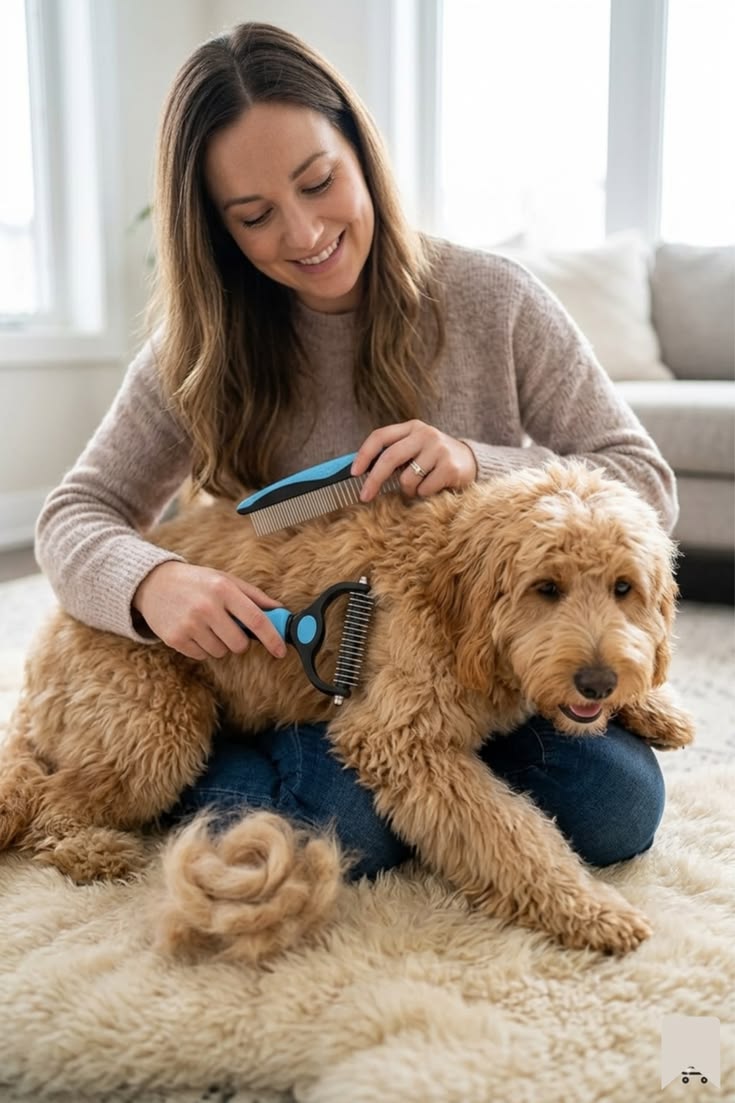
Coat Brushing Techniques for Doodle Breeds
Low-shedding and hypoallergenic coats—like those found on Labradoodles and Goldendoodles—require daily maintenance to prevent severe matting.
- Line Brushing Method: Section off the fur with one hand and brush small sections from the skin outward using a slicker brush.
- Comb Verification: Always follow up slicker brushing with a metal Greyhound comb. If the comb snags near the skin, gentle detangling is still required.
- Focus Areas: Pay special attention to high-friction spots like behind the ears, under the armpits, along the collar line, and around the tail.
Discover details on maintaining allergy-friendly coats in our comprehensive Labradoodle Breed Guide and Goldendoodle Breed Guide.
Canine Dental Care
Periodontal disease affects over 80% of dogs over three years old. Left untreated, mouth bacteria can enter the bloodstream and damage the heart, liver, and kidneys.
- Daily Brushing: Use enzyme-based, dog-safe toothpaste (never human toothpaste, which contains toxic ingredients like xylitol) paired with a soft-bristled toothbrush.
- Dental Chews: Complement daily brushing with VOHC-approved (Veterinary Oral Health Council) dental chews to help reduce plaque build-up.
Ear Cleaning for Floppy-Eared Dogs
Dogs with floppy ears, such as Retrievers and Poodle mixes, trap moisture inside their ear canals easily. This environment creates ideal conditions for yeast and bacterial infections.
- Weekly Check: Inspect ears for redness, dark discharge, or bad odors.
- Cleaning Method: Fill the ear canal with a veterinarian-approved, pH-balanced ear cleaner. Massage the base of the ear gently for thirty seconds, then let your dog shake their head. Wipe away loosened debris with clean cotton pads. Never insert cotton swabs deep into the ear canal.
Nail Care Basics
Long nails change how your dog's paw strikes the ground. Over time, overgrown nails put abnormal strain on joint structures and can cause permanent skeletal damage.
- Frequency: Trim or grind nails every 2 to 3 weeks.
- Rule of Thumb: If you hear your dog's nails clicking against hardwood floors while walking, their nails are overdue for a trim.
Keeping Your Dog Safe at Home
A safe environment forms the foundation of great dog care. Canine proofing your living space prevents accidental poisoning and injuries during downtime.
+-----------------------------------------------------------------+
|                    HOUSEHOLD HAZARD CHECKLIST                   |
+-----------------------------------------------------------------+
| [ ] Toxic Foods: Secure chocolate, grapes, raisins, and onions.|
| [ ] Plants: Remove toxic indoor plants (Lilies, Sago Palms).    |
| [ ] Trash Cans: Install locking, pet-proof lids.                |
| [ ] Electrical Cords: Cover or elevate exposed cords.           |
| [ ] Small Objects: Pick up kids' toys, hair ties, and socks.    |
+-----------------------------------------------------------------+
If you ever need to travel with your dog, ensure you review our thorough Safe Pet Transport Guide to keep your pup protected on the road.
Seasonal Daily Care Adjustments
As weather changes throughout the year, adjust your daily dog care schedule to protect your companion from extreme temperatures and seasonal hazards.
               SEASONAL CARE AT A GLANCE

    [SUMMER]  ──────► Walk early mornings/late evenings.
                      Check pavement temp with bare hand.
                      Ensure constant hydration.

    [WINTER]  ──────► Wipe paws after walks to remove salt/ice.
                      Use booties for extreme cold.
                      Shorten walk lengths on freezing days.

    [RAINY]   ──────► Focus on indoor mental games.
                      Dry paws thoroughly to prevent fungus.
                      Use lightweight rain jackets.
Rainy Day Activities
- Focus on indoor scent-work games and puzzle feeders to burn off mental energy.
- Dry paws and underbellies thoroughly after potty breaks to avoid moisture trapped against the skin, which causes fungal irritation.
Summer Safety Rules
- Pavement Test: Place the back of your bare hand firmly against the hot asphalt for seven seconds. If it feels too hot for your hand, it is too hot for your dog's paws.
- Mid-day Heat: Shift high-energy walks to the early morning or late evening hours to prevent heatstroke.
Winter Care Rules
- Paw Protection: Road salt, chemical de-icers, and ice balls tear up sensitive paw pads. Use protective dog booties or apply pet-safe paw wax before outdoor trips.
- Wiping Down: Wipe off your dog's belly and paws with a damp cloth immediately upon returning indoors.
Age-Specific Daily Routines: Adapting Care Across Life Stages
As your dog grows from a clumsy puppy into a dignified senior, their daily needs evolve significantly. Adjusting your daily schedule based on your pet's life stage keeps them comfortable and healthy.
+-------------------------------------------------------------------+
|               DAILY ROUTINES BY LIFE STAGE COMPARISON             |
+-------------------------------------------------------------------+
|  Care Needs      | Puppy (2-12 mos) | Adult (1-7 yrs) | Senior (8+ yrs)|
├──────────────────┼──────────────────┼─────────────────┼────────────────┤
|  Sleep Needs     | 18-20 Hours      | 12-14 Hours     | 16-18 Hours    |
|  Exercise Level  | Short Bursts     | High/Moderate   | Gentle/Low     |
|  Potty Intervals | Every 2-3 Hours  | Every 4-6 Hours | Every 3-4 Hours|
|  Training Focus  | Basics & Social  | Maintenance     | Joint Mobility |
+-------------------------------------------------------------------+
Daily Routine for Puppies (2 to 12 Months)
Puppies operate in short bursts of high energy followed by sudden, deep sleep. Their small bladders and rapid development require a high-frequency daily routine.
Sample Daily Puppy Schedule:
┌───────────┬────────────────────────────────────────────────────────┐
| Time      | Activity                                               |
├───────────┼────────────────────────────────────────────────────────┤
| 6:30 AM   | Potty break & enthusiastic praise                      |
| 7:00 AM   | Breakfast in puzzle feeder                             |
| 7:30 AM   | Immediate potty break (post-meal digestion)            |
| 8:00 AM   | Gentle socialization / crate naptime                   |
| 10:00 AM  | Potty break & 5-minute basic obedience training        |
| 12:00 PM  | Lunch, potty break & play session                      |
| 2:00 PM   | Crate naptime                                          |
| 5:00 PM   | Evening meal & potty break                             |
| 7:00 PM   | Short, gentle stroll & wind-down time                  |
| 10:00 PM  | Final night potty break & bedtime crate sleep          |
└───────────┴────────────────────────────────────────────────────────┘
Daily Routine for Adult Dogs (1 to 7 Years)
Adult dogs enjoy physical stability and long stretches of rest. Their daily schedule centers on consistent exercise, structured meals, and rich mental stimulation.
Sample Daily Adult Dog Schedule:
┌───────────┬────────────────────────────────────────────────────────┐
| Time      | Activity                                               |
├───────────┼────────────────────────────────────────────────────────┤
| 7:00 AM   | Morning walk (30-45 minutes) & potty break             |
| 8:00 AM   | Breakfast & fresh water refill                         |
| 8:30 AM   | Rest while family works or departs                     |
| 12:30 PM  | Mid-day potty break & backyard play / sniffing         |
| 5:30 PM   | Evening exercise (fetch, trail walk, or swim)          |
| 6:30 PM   | Dinner in slow-feeder bowl                             |
| 7:30 PM   | Family relaxation, coat brushing & dental care         |
| 9:30 PM   | Final night bathroom break                             |
| 10:00 PM  | Bedtime on orthopedic dog bed                          |
└───────────┴────────────────────────────────────────────────────────┘
Daily Routine for Senior Dogs (8+ Years)
Aging dogs need a gentler pace, extra joint support, and frequent, low-stress bathroom access.
Sample Daily Senior Dog Schedule:
┌───────────┬────────────────────────────────────────────────────────┐
| Time      | Activity                                               |
├───────────┼────────────────────────────────────────────────────────┤
| 7:30 AM   | Gentle morning potty break                             |
| 8:00 AM   | Senior breakfast with joint supplements                |
| 8:30 AM   | Short, low-impact stroll (15 minutes on soft grass)   |
| 10:00 AM  | Deep morning nap on orthopedic memory foam             |
| 1:00 PM   | Mid-day potty break & gentle massage / brushing        |
| 5:00 PM   | Senior dinner meal                                     |
| 6:00 PM   | Short evening stroll & yard sniffing time              |
| 8:30 PM   | Warm thermal bed relaxation with family                |
| 9:30 PM   | Final night bathroom trip                              |
└───────────┴────────────────────────────────────────────────────────┘
Common Daily Mistakes Dog Owners Make (And How to Fix Them)
Even dedicated, loving pet owners fall into subtle routine traps that can cause stress or health issues for their pets.
+-----------------------------------------------------------------+
|                 COMMON ROUTINE MISTAKES & FIXES                 |
+-----------------------------------------------------------------+
| MISTAKE: Irregular feeding times.                               |
| FIX:     Set strict morning and evening meal times within 30 mins|
|          of schedule each day.                                  |
|                                                                 |
| MISTAKE: Skipping physical activity on busy days.               |
| FIX:     Replace long walks with 15 minutes of intense indoor   |
|          puzzle work or game of fetch.                          |
|                                                                 |
| MISTAKE: Neglecting mental stimulation.                         |
| FIX:     Feed meals through snuffle mats and Kongs rather than  |
|          simple food bowls.                                     |
|                                                                 |
| MISTAKE: Inconsistent weekend vs. weekday schedules.            |
| FIX:     Keep wake-up times and meal schedules consistent on    |
|          Saturdays and Sundays.                                 |
+-----------------------------------------------------------------+
Understanding Dog Body Language: Happy vs. Stressed
Your dog is constantly communicating how they feel throughout the day using visual body language cues.
+-----------------------------------------------------------------+
|                   CANINE BODY LANGUAGE GUIDE                    |
+-----------------------------------------------------------------+
|  HAPPY & RELAXED DOG          │  STRESSED OR ANXIOUS DOG        |
├───────────────────────────────┼─────────────────────────────────┤
|  • "Soft," blinking eyes      │  • "Whites" of eyes showing     |
|  • Relaxed, loose open mouth  │  • Excessive lip licking/yawning|
|  • Wide, full-body tail wag   │  • Stiff, rigid body posture    |
|  • Loose, natural body stance │  • Tucked tail, head lowered    |
|  • Play bow invitation        │  • Turning head away from you   |
+-----------------------------------------------------------------+
Evening and Bedtime Routines: Winding Down Smoothly
A calm evening routine tells your dog that the energetic portion of the day is over, setting up a quiet night for the entire household.
Evening Wind-Down Process
┌───────────┬────────────────────────────────────────┐
| Time      | Activity                               |
├───────────┼────────────────────────────────────────┤
| 6:30 PM   | Evening Meal                           |
| 7:30 PM   | Low-Impact Grooming & Brushing         |
| 8:30 PM   | Calm Cuddles / Chewing Rubber Toy      |
| 9:30 PM   | Final Outdoor Bathroom Break           |
| 10:00 PM  | Lights Out & Dedicated Sleep Space     |
└───────────┴────────────────────────────────────────┘
- Remove Water 2 Hours Before Bedtime: For young puppies undergoing potty training, lifting the water bowl two hours before sleep prevents midnight accidents.
- Establish a Bedtime Cue: Use a consistent phrase like "Time for bed" paired with a small treat when sending your dog to their crate or bed.
- Provide a Lick or Chew Toy: Safe, durable rubber chew toys help lower heart rates and prepare dogs for sleep.
Weekly and Monthly Dog Wellness Checklist
Beyond daily care routines, maintain consistency with weekly and monthly maintenance tasks to protect long-term pet health.
+-----------------------------------------------------------------+
|               WEEKLY & MONTHLY WELLNESS CHECKLIST               |
+-----------------------------------------------------------------+
|  WEEKLY TASKS                                                   |
|  [ ] Thorough ear check and cleaning                            |
|  [ ] Inspect paw pads and webbed toes for debris or redness     |
|  [ ] Wash dog bedding and soft plush toys in hot water          |
|  [ ] Full-body check for lumps, bumps, or ticks                 |
|                                                                 |
|  MONTHLY TASKS                                                  |
|  [ ] Apply routine flea, tick, and heartworm prevention         |
|  [ ] Trim or grind toe nails                                    |
|  [ ] Weigh your dog to track ideal weight management            |
|  [ ] Inspect and deep-clean all rubber and plastic toys         |
+-----------------------------------------------------------------+
Frequently Asked Questions (FAQs)
1. How many hours a day should my dog exercise?
Most active breeds require 60 to 90 minutes of daily activity, split between morning and evening sessions. Toy breeds or seniors may only need 20 to 30 minutes of light walking.
2. How can I balance a daily dog routine while working a 9-to-5 job?
Establish strong morning and evening routines. Provide a mid-day enrichment puzzle, hire a professional dog walker, or arrange for mid-day pet visits to manage potty breaks and socialization.
3. What is the best daily routine for a Goldendoodle puppy?
A Goldendoodle puppy routine should follow a loop: wake up, potty break, meal, potty break, short play or micro-training session, and nap time. Repeat every two to three hours.
4. How long can an adult dog hold their bladder during the day?
Healthy adult dogs can physically hold their bladder for 6 to 8 hours, though letting them out every 4 to 6 hours is better for comfort and urinary tract health.
5. Why is my dog hyperactive in the late evening?
Evening hyperactive bursts (the "zoomies") usually mean your dog has built-up physical energy or mental boredom from the afternoon. Increase late afternoon exercise and mental stimulation.
6. Is it better to feed a dog before or after a walk?
Feed your dog after walks. Exercising immediately after a large meal increases the risk of dangerous gastric bloat, especially in larger breeds.
7. How often should I brush my Labradoodle’s coat?
Labradoodles need daily coat brushing using a slicker brush and metal comb to prevent painful matting near the skin.
8. How many times a day should an adult dog eat?
Most veterinarians recommend feeding adult dogs twice daily—once in the morning and once in the evening—spaced roughly 10 to 12 hours apart.
9. What should I do if my dog refuses to walk in the morning?
Check for physical discomfort, injury, or paw sensitivity. If health issues are ruled out, use positive reinforcement and high-value treats to make morning walks exciting.
10. How much sleep does a puppy actually need?
Growing puppies need 18 to 20 hours of sleep per day to support brain development, immune function, and physical growth.
11. How can I mentally tire out my dog on rainy days?
Use snuffle mats, frozen Kongs, indoor scent-work games, or indoor obedience training sessions to work their brain without needing outdoor space.
12. Are daily dental chews enough to keep my dog’s teeth clean?
Dental chews help, but they do not replace daily tooth brushing with enzyme toothpaste and veterinary cleanings.
13. How do I adjust my dog's schedule when daylight saving time changes?
Shift meal times, walk schedules, and potty breaks gradually by 10 to 15 minutes per day over the week leading up to the time change.
14. What are the signs that my dog is getting too much exercise?
Lethargy, limping, excessive panting, torn paw pads, and refusal to move forward during walks mean your dog is overexerted.
15. How do I stop my puppy from waking up at 5:00 AM?
Keep late evening routines quiet, cover their crate with a light blanket, make sure they potty right before bed, and avoid rewarding early morning barking with attention.
16. Should I leave water out for my dog all night?
You can safely lift your puppy's water bowl two hours before bedtime to help with nighttime potty training. Healthy adult dogs should always have access to water.
17. How often should I clean my dog’s ears?
Check ears weekly. Clean them every one to two weeks using a pH-balanced cleaner, or after swimming and baths.
18. Is crate training necessary for an adult dog's routine?
Crate training is not mandatory, but it provides a safe space for rest, prevents destructive behaviors when unsupervised, and makes travel much easier.
19. How do I know if my dog is getting enough mental stimulation?
A mentally satisfied dog is relaxed, rests peacefully between routine events, and displays few destructive behaviors like digging, chewing, or incessant barking.
20. What is the single most important rule for a happy dog care routine?
Consistency. Keeping feeding, walking, play, and rest times predictable reduces stress and helps your pet feel safe and confident every day.
Conclusion: Building a Lifetime of Joy
Creating a great daily dog routine is the ultimate gift you can give your canine companion. By balancing exercise, smart nutrition, brain games, thorough grooming, and deep, restful sleep, you give your dog everything they need to thrive.
       HAPPY DOG CARE DAILY EQUATION

   ┌────────────────────────────────────────┐
   │  Consistent Daily Schedule             │
   │  + Daily Exercise & Mental Games       │
   │  + Balanced Nutrition & Hydration      │
   │  + Positive Training & Loving Rest     │
   ├────────────────────────────────────────┤
   │  = A Healthy, Confident & Happy Dog    │
   └────────────────────────────────────────┘
Every dog is unique, so take time to observe your pet and tailor this guide to their specific breed, age, and personality.
Looking to Add a Doodle Companion to Your Family?
If you are ready to welcome a loving, intelligent, family-friendly pup into your home, explore our available puppies today. At Furry Friends HQ, we raise ethically bred, healthy, and happy Labradoodle and Goldendoodle puppies ready to fill your home with unconditional love.
Explore Available Labradoodle & Goldendoodle Puppies at Furry Friends HQ Today!