The Ultimate Dog & Puppy Training Guide: Everything Every Pet Owner Needs to Know
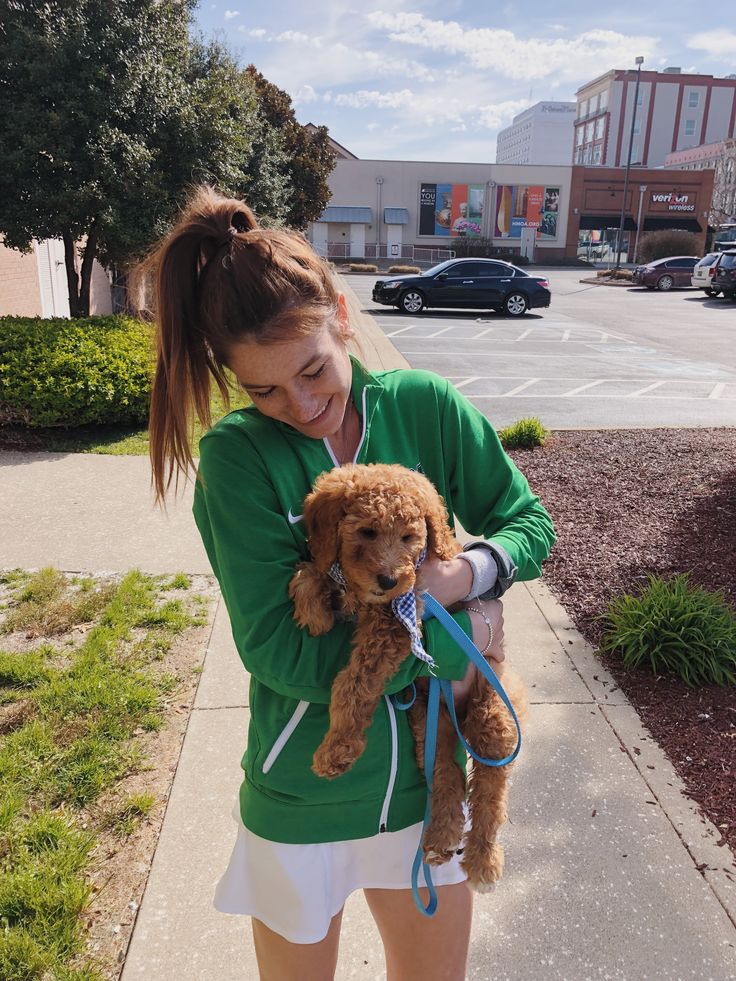
Bringing a new dog into your home is an exciting milestone. Whether you are holding a wiggly doodle puppy or welcoming an older rescue pet, proper training sets the foundation for a lifelong bond.
A well-trained dog is a confident, happy companion. Training ensures your dog stays safe in public spaces and behaves politely around guests. It turns everyday life into a smooth, enjoyable experience for your whole household.
This comprehensive guide breaks down everything you need to know about puppy training and dog behavior. We cover fundamental commands, house training, socialization, and advanced obedience tips tailored for popular breeds like Labradoodles and Goldendoodles.
Why Dog Training Is Important
Training is far more than teaching a dog to sit on command. It provides vital structure, clear communication, and mental focus for your pet. Dogs thrive when they understand what their human family expects from them.
Without proper dog obedience guidance, dogs often default to natural canine instincts. These instincts include barking, digging, chewing, and guarding resources. While normal for wild canines, these behaviors create stress in a human household.
Consistent training also establishes essential safety boundaries. A fast, reliable recall command can prevent your dog from running into busy traffic. Proper leash training keeps walk time safe and fun for both of you.
Expert Insight: Authoritative veterinary groups like the American Veterinary Medical Association (AVMA) highlight that behavioral issues remain a leading reason pets are surrendered to shelters. Early education protects your pet’s physical safety and lifelong happiness.
Benefits of Early Puppy Training
Starting puppy obedience training early gives your young dog a head start in life. Young puppies act like sponges, absorbing information and forming habits rapidly during their initial months.
Early training instills positive behavior patterns before unwanted habits take root. It is much easier to teach a young puppy to keep four paws on the floor than to unteach jumping in a full-grown dog.
- Faster Learning: Young minds adapt quickly to routine and structure.
- Stronger Bonding: Daily training sessions build trust between you and your pet.
- Effective Socialization: Early exposure reduces fear and anxiety in new settings.
- Stress-Free Vet Visits: Early handling makes grooming and medical checks easy.
Investing time in beginner puppy training pays dividends over your dog's lifetime. You will enjoy a peaceful home and a confident companion who can travel anywhere with you.
Understanding Dog Behavior
To train effectively, you must learn to read canine body language and emotional cues. Dogs communicate through subtle shifts in posture, tail position, ear placement, and facial expressions.
       [ Reading Canine Emotional States ]
                       |
     +-----------------+-----------------+
     |                                   |
[ Relaxed / Happy ]             [ Stressed / Anxious ]
• Loose posture                 • Tense body posture
• Gentle tail wag               • Lip licking & yawning
• Soft eyes                     • Whale eye (whites showing)
• Ears neutral                  • Ears pinned back
Understanding these signals helps you recognize when your puppy is focused, tired, or overwhelmed. Training works best when your dog is calm, attentive, and mentally ready to learn.
When a dog displays stress signals—such as yawning or lip licking—it means they need a short break. Pushing through stress creates frustration and slows down your overall learning progress.
When to Start Training a Puppy
You can begin basic puppy training the very day you bring your new companion home—typically around 8 weeks of age. Early sessions should be kept gentle, fun, and brief.
Young puppies have very short attention spans. Keep formal training sessions between two to five minutes long, repeated two or three times daily. Always end every session on a positive note.
At 8 to 10 weeks, focus on house rules, crate comfort, name recognition, and simple commands like sit. Formal obedience classes can start once your veterinarian confirms your puppy’s vaccination schedule is complete.
Preparing for Training
Preparation is the secret to smooth, frustration-free training sessions. Setting up a distraction-free environment helps your puppy focus entirely on you.
Begin training inside a quiet room in your house. Turn off the television, place other family pets in another room, and pick a time when your puppy is alert but not overly hyper.
Establish a daily schedule that balances training, potty breaks, play, and nap times. Predictable routines make young puppies feel safe, which accelerates house training success.
Essential Training Supplies
Having the right gear on hand makes every session easier and more rewarding for your puppy.
+--------------------------+----------------------------------------------------+
| Training Supply          | Purpose & Key Benefit                              |
+--------------------------+----------------------------------------------------+
| Soft, High-Value Treats  | Keeps motivation high without filling up stomach   |
| Treat Pouch              | Allows fast, well-timed rewards                    |
| Training Clicker         | Marks exact moments of correct behavior            |
| 6-Foot Standard Leash    | Provides reliable control during leash training    |
| 15 to 30-Foot Long Line  | Ideal for practicing distance and recall           |
| Comfortable Harness      | Prevents neck strain during early walks            |
| Crate & Playpen          | Essential for potty training and safety management |
+--------------------------+----------------------------------------------------+
Invest in small, soft treats that your puppy can swallow instantly. Hard biscuits take too long to chew, breaking the rhythmic flow of your training session.
Core Training Methodologies
Modern, scientific dog behavior training relies on humane, reward-based techniques. These methods build trust while delivering fast, reliable results.
Positive Reinforcement Training
Positive reinforcement means adding a desirable reward directly after your dog performs a correct behavior. This reward makes the behavior much more likely to happen again.
Rewards can include small meat treats, verbal praise, a favorite toy, or affection. By focusing on rewarding good choices, you teach your dog what to do, rather than punishing mistakes.
Punishment-based training creates fear, distrust, and unwanted anxiety. Positive methods nurture an eager, happy dog who actively enjoys learning new commands with you.
[ Correct Behavior ] ---> [ Immediate Reward (Treat/Praise) ] ---> [ Behavior Repeated ]
Reward-Based Training
Reward-based training takes positive reinforcement a step further by using environmental rewards. If your dog loves going outside, sitting calmly at the door becomes the "key" that opens it.
This clear approach teaches your dog that self-control unlocks fun life experiences. It encourages self-discipline and calm behavior in real-world scenarios.
Clicker Training
Clicker training uses a small plastic device that produces a distinct click sound to pinpoint correct actions. The click acts as a clear signal that tells your dog, "That exact choice earned a treat!"
[ Action ---> [ Click! (Mark) ] ---> [ Treat Delivered ]
- Charge the Clicker: Click the device and immediately deliver a treat. Repeat 10 to 15 times until your puppy looks for a treat upon hearing the sound.
- Mark the Action: The moment your puppy’s bottom touches the floor during a sit command, click immediately.
- Reward: Deliver a small treat within two seconds of the click sound.
Clicker training removes guesswork for your dog. It accelerates learning speed and makes training sessions feel like a fun game.
Mastering Basic Dog Commands
Every well-mannered family dog needs a solid foundation of essential dog commands. Practice these basic cues in low-distraction environments first.
                 [ Core Dog Commands Foundation ]
                                |
    +---------------------------+---------------------------+
    |                           |                           |
[ Essential Rules ]     [ Safety Cues ]           [ Manners & Boundaries ]
• Sit                   • Come (Recall)           • Leave It
• Down                  • Wait                    • Drop It
• Stay                  • Heel                    • Place
1. Sit
The "Sit" command is the foundation of all basic puppy obedience training.
- Hold a small treat right in front of your puppy’s nose.
- Slowly move your hand upward and backward over their head.
- As their head follows the treat, their bottom will naturally touch the ground.
- The moment their bottom touches, say "Sit," click (or say "Yes!"), and give the treat.
2. Stay
"Stay" teaches your dog self-control and impulse management.
- Ask your dog to sit.
- Open your hand with your palm facing forward and say "Stay."
- Take one step backward, wait two seconds, then return and reward them.
- Gradually increase distance and duration over time.
3. Come (Recall)
A reliable recall command protects your dog in dangerous outdoor situations.
- Put your puppy on a 6-foot leash in a quiet area.
- Back away gently, call their name, and say "Come" in a bright tone.
- When they run toward you, praise enthusiastically and give a high-value treat.
- Never call your dog to you to administer medication or end play abruptly.
4. Down
The "Down" command helps settle an excited or energetic puppy.
- Start with your dog in a sitting position.
- Hold a treat in your hand and bring it down between their front paws.
- Pull the treat forward along the floor in an "L" shape.
- As their chest touches the floor, say "Down," click, and reward.
5. Leave It
"Leave It" prevents your dog from eating toxic floor items or chasing wildlife.
- Place a low-value treat inside a closed fist.
- Let your dog sniff and lick your hand, but keep it closed tight.
- The moment your dog turns their head away, say "Yes!" and reward with a different, better treat from your other hand.
- Add the cue "Leave It" once your dog reliably backs away from your fist.
6. Drop It
"Drop It" teaches your dog to release toys or items from their mouth immediately.
- Play tug-of-war with a low-value toy.
- Stop moving the toy and hold a high-value treat near your dog’s nose.
- As they open their mouth to take the treat, say "Drop It."
- Reward them with the treat and immediately give the toy back to reward cooperation.
7. Heel
"Heel" ensures your dog walks calmly beside your hip without pulling.
- Stand with your dog on your left side holding a treat at knee level.
- Take a few steps forward, saying "Heel."
- Reward your dog frequently as long as their shoulder stays aligned with your leg.
- Stop immediately if they pull ahead, waiting for them to return to position.
8. Wait
"Wait" creates a brief pause at doors, open car trunks, and busy crosswalks.
- Approach an exterior doorway with your dog on a leash.
- Hold your hand up like a stop sign and say "Wait."
- Open the door an inch; if your dog moves forward, close it gently.
- Once your dog pauses calmly, say "OK" and step through together.
9. Place
"Place" gives your dog a designated mat or bed to relax on during family meals.
- Point to a dog bed and say "Place."
- Lure your dog onto the mat using a treat.
- As soon as all four paws are on the mat, say "Down" and reward them.
- Practice keeping them on the mat for longer periods with periodic treats.
Essential House Training Skills
Successful puppy care relies heavily on establishing great house manners right away. Consistency and clean routines speed up success.
       [ House Training Daily Structure ]
                       |
     +-----------------+-----------------+
     |                                   |
[ Consistent Potty Routine ]   [ Crate Comfort Rules ]
• Take out after sleep/meals   • Never use as punishment
• Use designated outdoor spot  • Proper sizing (stand/turn)
• Reward immediately outdoors  • Gradual duration build-up
Potty Training & House Training
Learning how to potty train a puppy requires patience, supervision, and a predictable routine.
- Frequent Breaks: Take your puppy outside every 30 to 60 minutes during the day.
- Key Transitions: Always go outside right after sleeping, eating, playing, or drinking water.
- Designated Spot: Take your puppy to the same lawn area every time so scents trigger their natural instincts.
- Immediate Rewards: Praise and reward your puppy outdoors within two seconds of finishing.
Never scold or punish a puppy for indoor accidents. Punishment creates anxiety and teaches your puppy to hide away from you when they need to go. Clean indoor accidents using an enzymatic cleaner to remove lingering odors completely.
For more details on keeping your new puppy healthy, explore our Puppy Health & Wellness Guide.
Crate Training
A comprehensive puppy crate training guide simplifies house training and gives your dog a secure sleeping space. Dogs naturally prefer clean den areas, making crates an ideal management tool.
Choose a crate with enough space for your puppy to stand up, turn around, and lie down comfortably. If the crate is too large, your puppy may use one corner as a bathroom.
[ Make Crate Inviting ] ---> [ Feed Meals Inside ] ---> [ Short Closed-Door Sessions ] ---> [ Overnight Success ]
- Positive Intro: Leave the crate door open and toss delicious treats inside for your puppy to find.
- Mealtime: Feed your puppy their regular daily meals inside the crate with the door wide open.
- Short Sessions: Close the door for one minute while giving treats, then open it calmly.
- Extend Time: Slowly increase crate stay durations while giving long-lasting chew toys.
Never use the crate as a harsh punishment tool. The crate should always remain a safe, peaceful retreat for your pet.
Leash Training
Mastering leash training puppy skills prevents frustrating pulling and makes outdoor walks enjoyable.
Start by letting your puppy wear a comfortable harness indoors for short periods. Pair the harness with fun treats so your puppy forms a positive association.
When practicing outside, use the "Be a Tree" method. If your puppy pulls on the leash, stop walking immediately and stand still. Resume walking only when the leash returns to a slack position.
Puppy Socialization Tips
Proper puppy socialization builds confidence and prevents adult fear and aggression. The critical socialization window opens at 3 weeks and closes around 14 to 16 weeks of age.
                      [ Socialization Checklist ]
                                   |
     +-----------------------------+-----------------------------+
     |                             |                             |
[ Surfaces & Sounds ]      [ People & Handling ]        [ Environments ]
• Hardwood, grass, gravel  • Men, women, children       • Parks, car rides
• Vacuum, thunder sounds   • Hats, coats, umbrellas     • Vet clinic lobbies
Introduce your young puppy to novel surfaces, safe adults, gentle pets, and urban noises in a positive way. Keep every new encounter pleasant by offering high-value treats and praise.
Protect unvaccinated puppies by avoiding public dog parks and high-traffic pet areas until your veterinarian clears them. Stick to clean, private settings with fully vaccinated dogs.
Organizations like the American Animal Hospital Association (AAHA) offer great socialization guidelines to help you raise a well-adjusted dog.
Preventing & Solving Common Puppy Behaviors
Addressing natural puppy tendencies early prevents lingering adult behavior issues down the road.
[ Early Identification ] ---> [ Redirection / Management ] ---> [ Reward Alternative Choice ]
Preventing Separation Anxiety
Help your puppy build independence early to prevent stress when left alone. Leave your puppy in a safe room or crate with a chew toy for short periods while you move around the house. Avoid making dramatic departures or over-the-top returns when coming home.
Preventing Excessive Barking
Dogs bark to express excitement, alarm, boredom, or frustration. Never shout back at a barking dog, as they interpret yelling as excited barking. Identify the root trigger and redirect your dog’s attention toward a calming task, like a "Place" command or puzzle toy.
Stopping Jumping
Puppies jump up to greet humans face-to-face. To stop this habit, withhold all attention—including eye contact and touch—the instant your puppy jumps up. Turn your back and wait calmly until all four paws touch the floor, then lower yourself to praise them softly.
Stopping Chewing & Biting
Learning how to stop puppy biting is essential for young dog owners. Mouthiness and nipping are normal exploratory behaviors for teething puppies.
When puppy teeth touch your skin, say a firm "Ouch," pause play, and redirect them to a rubber chew toy. Keep plenty of safe chew bones handy in every room of your house.
Preventing Digging
Dogs dig to bury items, hunt ground scents, cool off, or relieve boredom. Offer dedicated outdoor digging options, like a sandbox with buried toys. Ensure your dog receives plenty of daily exercise and mental activity so they don't turn to yard damage.
Preventing Resource Guarding
Resource guarding occurs when a dog worries someone will take their food, treats, or toys. Prevent this habit by dropping high-value treats near their bowl while they eat, showing them your presence brings rewards rather than losses. Never forcefully snatch items out of your puppy’s mouth.
Advanced Obedience & Mental Stimulation
Once your dog masters basic commands, build their focus with challenging games and structured mental workouts.
       [ Advanced Canine Development ]
                      |
     +----------------+----------------+
     |                                 |
[ Advanced Obedience ]      [ Mental Stimulation ]
• Proofing duration          • Puzzle toys & snuffle mats
• Distance & distraction     • Hide-and-seek scent games
• Flawless recall work       • Interactive fetch games
Recall Training
Mastering puppy recall training creates a strong, reliable response even around heavy outdoor distractions.
Practice recall outdoors using a long 30-foot leash. Call your dog from varying distances, offering high-value rewards like chicken or liver treats every time they run back to you promptly.
Obedience Training
Expand basic obedience training for puppies by proofing commands against three challenges: Distance, Duration, and Distraction.
Gradually increase how far away you stand, how long your dog stays in position, and the noise level around you. Proofing ensures your commands work in busy environments, not just quiet living rooms.
Advanced Dog Training
Advanced work includes off-leash obedience, agility tricks, service tasks, or therapy dog preparation. These activities build deep team communication and refine your dog’s impulse control.
Mental Stimulation Games & Puzzle Toys
Mental exercise burns energy just as effectively as physical exercise. Ten minutes of focused brain games can tire out a puppy more than a long walk around the neighborhood.
- Snuffle Mats: Encourage your puppy to use their nose to forage for hidden dry kibble.
- Kong Toys: Fill rubber toys with peanut butter or canned food and freeze them for a long-lasting puzzle.
- Hide-and-Seek: Hide treats around your living room and encourage your puppy to "Find it!"
Balancing Exercise and Training
Carefully balance physical activity with your puppy's growth stages. Over-exercising growing puppies can stress developing joints and bone plates.
Pairs daily physical walks with focused mental training sessions. A balanced combination keeps your puppy physically fit, relaxed, and emotionally settled at home.
Special Training Environments & Situations
Every home presents unique management dynamics. Adapt your approach to match your household setup.
Training With Children
Teaching kids how to interact safely with puppies builds great family relationships.
                       [ Safe Child-Dog Interactions ]
                                      |
     +--------------------------------+--------------------------------+
     |                                                                 |
[ Teach Children ]                                           [ Teach Puppies ]
• Never disturb sleeping/eating dogs                         • Keep 4 paws on floor around kids
• Avoid screaming or chasing                                 • Gentle take-treat manners
• Use calm, smooth movements                                 • Respect personal space
Supervise all interactions between young children and dogs. Teach kids not to grab ears or tails, and ensure puppies learn not to nip clothing or chase running feet.
Training Around Other Pets
Introduce your puppy to existing family pets slowly and on neutral ground. Keep early meetings short, calm, and managed on loose leashes.
Reward both pets with high-value treats for calm, relaxed behavior near each other. Never force immediate interactions; let pets set their own comfortable pace.
Indoor vs. Outdoor Training
Indoor training offers a quiet, controlled space ideal for teaching new concepts.
Outdoor training introduces real-world distractions like scents, squirrels, and loud vehicles. Master new skills indoors before asking your dog to perform them outside.
Apartment Dog Training
Apartment living requires special focus on potty routines, elevator manners, and noise control.
Establish a clear schedule for outdoor elevator rides and potty breaks. Train your dog to settle quietly indoors so bark noise doesn't disturb surrounding neighbors.
Specialty Breed Training Guides
Different dog breeds bring unique personality traits and energy levels to training sessions.
                      [ Poodle Hybrid Training Traits ]
                                      |
     +--------------------------------+--------------------------------+
     |                                                                 |
[ Labradoodle Traits ]                                       [ Goldendoodle Traits ]
• High energy & athletic                                     • Eager to please & sensitive
• Needs physical & mental outlets                            • Responds best to gentle praise
• Highly intelligent retriever roots                         • Thrives in close family activities
Training Tips for Labradoodles
Labradoodles inherit high intelligence and athletic drive from Labrador Retrievers and Poodles.
- High Energy Management: Training Labradoodle puppies requires plenty of mental games alongside daily exercise.
- Consistency: Their clever minds quickly find inconsistencies in house rules.
- Structured Games: Use retrieving games like fetch to build reliable recall skills.
Learn more about this loving hybrid in our comprehensive Labradoodle Breed Guide.
Training Tips for Goldendoodles
Goldendoodles combine the social, affectionate nature of Golden Retrievers with Poodle intelligence.
- Gentle Feedback: Training Goldendoodle puppies works best with encouraging, reward-heavy positive methods.
- Socialization: Channel their natural friendliness into polite greeting manners.
- Impulse Control: Focus early on impulse control cues like "Wait" and "Leave It."
Check out our complete Goldendoodle Breed Guide for more specific breed advice.
Senior Dog Training
You can teach an old dog new tricks! Senior dogs love the attention and brain activity that comes with gentle training.
Modify training sessions to protect aging joints. Keep physical exercises low-impact, use soft treats that are easy to chew, and work at a comfortable, relaxed pace.
Common Puppy Training Mistakes to Avoid
Avoiding common mistakes saves you time and keeps training fun for your puppy.
+------------------------------------+---------------------------------------------------+
| Mistake                            | Solution                                          |
+------------------------------------+---------------------------------------------------+
| Inconsistent Rules                 | Ensure all family members enforce the same rules. |
| Inadequate Exercise                | Pair daily walks with rich mental puzzle games.   |
| Using Punishment                   | Focus on rewarding correct alternative behaviors. |
| Repeating Commands (Cue Poisoning) | Say a cue once, pause, and lure if needed.        |
| Ending Sessions on Mistakes        | End every session on a easy, successful win.      |
+------------------------------------+---------------------------------------------------+
Common Dog Behavior Problems Explained
Understanding underlying causes helps you address troublesome behaviors effectively.
                     [ Unwanted Behavior Drivers ]
                                   |
     +-----------------------------+-----------------------------+
     |                             |                             |
[ Boredom / Excess Energy ]    [ Fear & Uncertainty ]        [ Accidental Reinforcement ]
• Destruction & digging        • Reactivity on leash         • Begging at dinner table
• Nipping & jumping            • Hiding or retreat           • Barking for attention
Work with modern certified trainers who focus on changing emotional responses rather than suppressing warning signs through force.
For owners arranging cross-country relocations or pickup, our guide on Safe Pet Transport Across the USA offers stress-free travel recommendations.
Timeline: How Long Does Dog Training Take?
Dog training is a continuous journey rather than a quick overnight fix. Every dog learns at their own individual pace.
[ Weeks 8-12: Basic Manners & Potty ] ---> [ Months 3-6: Leash & Socialization ] ---> [ Months 6-18: Proofing & Distraction ]
- Weeks 8–12: Basic house rules, crate comfort, and simple foundation cues.
- Months 3–6: Leash manners, outdoor distractions, and structured socialization.
- Months 6–18: Proofing obedience around high distractions and reaching full maturity.
Consistency, patience, and clear daily structure lead directly to reliable long-term training habits.
Professional Dog Training vs. DIY
Deciding between DIY home training and hiring a professional depends on your personal schedule and experience level.
                      [ Training Options Comparison ]
                                     |
     +-------------------------------+-------------------------------+
     |                                                               |
[ DIY Home Training ]                                     [ Professional Trainers ]
• Budget-friendly & flexible                              • Expert guidance for complex issues
• Builds strong direct bond                               • Group class social practice
• Requires high personal consistency                      • Great for first-time owners
For professional support, look for credentials from reputable organizations like the Fear Free Pets network or the Certification Council for Professional Dog Trainers (CCPDT).
Frequently Asked Questions
1. How do I start dog training for beginners at home?
Start by picking a quiet, low-distraction room. Gather high-value treats and keep sessions short—around two to three minutes. Focus first on basic commands like "Sit" and "Look at Me."
2. What is the single best puppy training method?
Positive reinforcement is universally recommended by veterinary organizations. Rewarding desirable behaviors with food, praise, or toys produces reliable, fast results while building strong trust.
3. How do I stop a puppy from biting hands?
Say a clear "Ouch" when teeth touch skin, stop playing for a few seconds, and immediately offer an acceptable chew toy. Consistency teaches puppies that biting ends human attention.
4. When can a puppy start formal obedience classes?
Most puppies can start group obedience classes around 10 to 12 weeks of age, provided they have received their initial set of core vaccinations and your vet approves.
5. How long should daily puppy training sessions last?
Keep sessions short! Aim for 2 to 5 minutes at a time, 2 to 3 times per day. Short, positive interactions keep puppies focused and eager for more.
6. Why is my puppy barking incessantly in the crate?
Puppies bark in crates due to excess energy, needing a potty break, or mild loneliness. Ensure your puppy is well-exercised and has pottied before crate time. Never release a puppy while they are actively barking.
7. What is the easiest way to potty train a puppy?
Establish a strict outdoor schedule. Take your puppy outside every 30 to 60 minutes and immediately after sleep, meals, or play. Reward them instantly outdoors after they finish.
8. How do I choose between a clicker and a word marker?
Both mark correct behavior effectively. A clicker offers a distinct, consistent sound, while verbal markers like "Yes!" are convenient because your voice is always available.
9. Can older dogs be successfully trained?
Yes! Older dogs learn very well. Keep physical limits in mind, use high-value rewards, and maintain consistent routines.
10. How do I teach my puppy to walk on a leash without pulling?
Use the "Be a Tree" technique. Stop moving the moment the leash pulls tight. Resume walking only when your dog returns to your side and loosens the leash.
11. How do I stop my dog from jumping on house guests?
Ask guests to ignore your dog until all four paws are on the floor. Lure your dog into a "Sit" command before allowing guests to step forward and pet them.
12. Is crate training considered cruel?
Not when done properly! A crate acts as a cozy den that provides safety, aids house training, and prevents destructive chewing when you cannot supervise.
13. What should I do if my dog guards food or toys?
Never forcefully grab items away. Practice trading low-value toys for high-value treats, teaching your dog that your approach means extra rewards rather than losses.
14. What are the best training tips for Goldendoodle puppies?
Goldendoodles respond best to gentle, praise-heavy positive reinforcement. Keep training sessions fun, energetic, and reward-filled.
15. How can I keep my Labradoodle puppy mentally stimulated?
Combine physical exercise with interactive food puzzles, scent-search games, and regular obedience sessions to keep their active brain challenged.
16. How do I teach a reliable "Leave It" command?
Hide a low-value treat in a closed fist. Wait until your dog stops sniffing your hand, mark that moment with "Yes!", and reward them with a higher-value treat from your opposite hand.
17. How long does it take to fully house train a puppy?
Most puppies achieve consistent house training between 4 to 6 months of age, depending on routine consistency and crate management.
18. What is cue poisoning in dog training?
Cue poisoning happens when a command word is repeated over and over without the dog performing the action. It causes the dog to ignore the word entirely.
19. How do I help my dog with separation anxiety?
Practice brief departures while leaving interactive chew toys behind. Build up alone time gradually, and avoid dramatic departures or emotional returns.
20. What supplies do I need before bringing a puppy home?
You need an appropriately sized crate, a 6-foot leash, an adjustable harness, soft training treats, a treat pouch, enzyme cleaner, and durable chew toys.
Final Thoughts
Training your puppy or adult dog is an incredible, rewarding journey that builds a lifelong bond of trust. By using consistent positive reinforcement methods, maintaining predictable daily routines, and staying patient, you help your pet grow into a confident, well-behaved companion.
At Furry Friends HQ, we specialize in raising healthy, well-socialized Labradoodle and Goldendoodle puppies ready for loving homes.
If you are ready to welcome a new companion or need personalized guidance on puppy care, explore our available puppies today. contact furryfriendhq.com to find your perfect family dog!