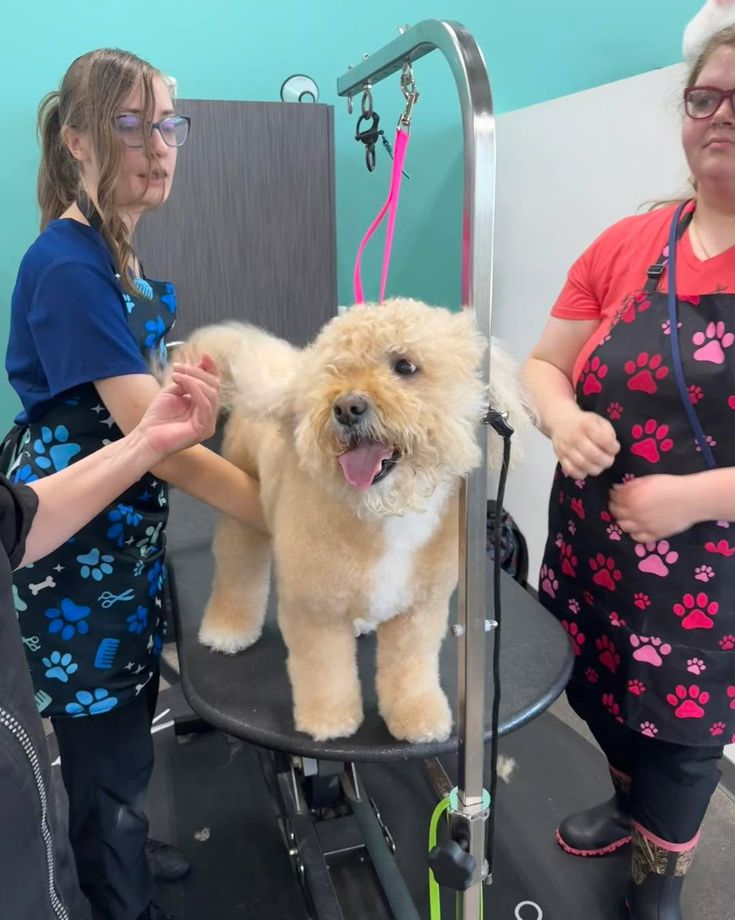
The Complete Guide to Raising a Happy, Healthy Doodle: Grooming, Training, and Nutrition
Bringing a Doodle into your home brings immense joy, energy, and affection. Famous for their intelligence, social temperaments, and low-shedding coats, Doodles are among the most popular choices for family companions.
However, raising a thriving Doodle requires a proactive care plan tailored to their unique coat traits, high energy levels, and sensitive digestive systems. Whether you are preparing your home or searching for available puppies to join your family, establishing solid daily habits from day one ensures a lifetime of happiness for your pet.
1. Understanding Doodle Coat Types and Daily Grooming
One of the biggest misconceptions about Doodle breeds is that their coats are completely maintenance-free. While many shed less than purebred retrievers, their combination of soft undercoat and wavy or curly outer hair makes them prone to severe matting if neglected.

A slicker brush is essential for loosening debris and preventing Doodle coat mats.. Source: Ilona Shorokhova / Getty Images
The Three Main Coat Types
- Flat / Hair Coat: Resembles the parent reiever coat. It sheds more naturally and requires basic weekly brushing.
- Fleece Coat: Soft, silky, and wavy. This popular Doodle coat type requires brushing 3–4 times per week to prevent tangles.
- Wool Coat: Tightly curled, similar to a Poodle. Dead hair gets trapped in the tight curls, making daily line-brushing essential.
Essential Grooming Tools
To care for your Doodle at home, rely on two main tools:
- A Slicker Brush: Ideal for working through the outer coat and removing tangles.
- A Metal Greyhound Comb: Essential for checking down to the skin to catch hidden mats near the base of the hair.
Pro Tip: For a complete walkthrough on daily coat care routines and coat health, check out our detailed puppy care guide.
2. Nutrition and Diet for Sensitive Stomachs
Because Doodles inherit traits from two distinct parent breeds, they can occasionally inherit sensitive gastrointestinal systems. Feeding a high-quality, balanced diet from puppyhood through adulthood lays the foundation for immune health, coat shine, and sustained energy.
When selecting a breeder, ensuring that the parents were tested for health and genetic soundness reduces the likelihood of congenital stomach or joint issues. Learning more about responsible breeding practices can give you insight into how early genetic health testing impacts your puppy's lifelong wellness.
Feeding by Life Stage
- Puppy Stage (0–12 Months): Doodles grow rapidly. Feed an age-appropriate formula rich in DHA for brain development and balanced minerals to support growing joints.
- Adult Stage (1–7 Years): Focus on maintainable protein levels and healthy fats (Omega-3 and Omega-6 fatty acids) to support skin hydration and coat texture.
- Senior Stage (7+ Years): Transition to joint-supportive formulas containing glucosamine and chondroitin.
3. Training and Mental Stimulation
Doodles inherit high working intelligence from Poodles and eager-to-please temperaments from Retrievers. Without adequate exercise and clear structure, an intelligent Doodle can develop unwanted habits like destructive chewing or jug

reinforcement builds a strong bond and accelerates obedience training.. Source: Sarah Davis / Getty Images
judgement builds a strong bond and accelerates obedience training.. Source: Sarah Davis / Getty Images
Early Socialization & Positive Reinforcement
Introduce your puppy to a wide variety of sights, sounds, and friendly people within their first 16 weeks of life. Doodles respond best to reward-based training techniques:
- Crate Training: Creates a safe den for sleeping and aids in housebreaking.
- Basic Obedience: Master sit, stay, recall, and leave it early on using treat rewards and praise.
- Loose-Leash Walking: Start leash training indoors or in a fenced backyard before transitioning to busy environments.
4. Preventive Health and Joint Care
Keeping your Doodle healthy involves staying ahead of common breed-specific conditions:
- Ear Care: Floppy ears lined with hair can trap moisture and wax. Check ears weekly for redness or odor, and clean them with a vet-approved cleanser after swimming or bathing.
- Joint Care: Keep larger Doodle varieties at a lean weight to minimize strain on hips and elbows, and avoid high-impact jumping on hard surfaces while growth plates are still forming.